
 by
by 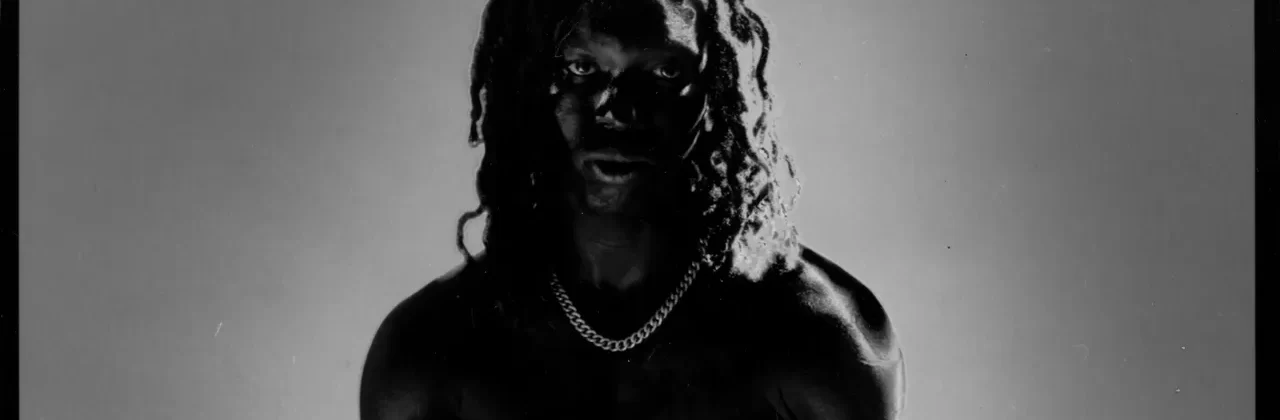
When a muscle tears, it reforms, growing and becoming stronger. The muscle will then be less susceptible to further injury. When a spirit tears, it can heal, but there is no guarantee that it will become strong enough to prevent another abrasion. On his new album shadowbox, MAVI finds the wounds in his spirit being reopened.
Charlotte-native Omavi Minder, better known by his stage name MAVI, has been picking up steam in the alternative hip-hop scene ever since the release of his first studio album, Let The Sun Talk in 2019; with witty bars about voyeurism on top of fuzzy lo-fi production, MAVI quickly established himself as one of the best young talents in rap.
His sophomore release, Laughing so Hard, it Hurts doubled down on the sound presented on his first album and further pushed MAVI forward as a force to be reckoned with. On his new album, MAVI explores his soul rather than seeking inspiration from the world at large.
On a highlight of the album, “open water,” he looks inside and finds himself in a large body of water, statically embracing the melancholic feeling of floating. However, when one is laying in the ocean it is easy to lose sight of dry land. Gone are the warm toned sample-based beats that were present on his previous albums; his signature style of production is replaced by a spooky lead guitar lick and thick bass notes that create a heavy and dreadful atmosphere.
Over this percussion-less track, MAVI’s voice provides the rhythm.
They want that old MAVI back, and I just want that Omavi back, stealing glimpses through a post or through glass
He showcases through this line that he is only reminded of who he is through the consumption of alcohol. Whether it be the loopy and alienating siren on “i’m so tired” or the slow and repetitive drawl that MAVI recites advice with on “20,000 leagues”, this album is drenched in alcohol both sonically and lyrically.
MAVI’s struggles with substance abuse are not an unfamiliar topic to his catalog, but they have never taken the forefront on any of his bodies of work like they do on this album. On “i’m so tired,” MAVI spits:
Unsafe in the soil I cultivated, unfortunate growth
This bar clues to the audience that up to this point, MAVI didn’t even want to heal from his grief in a healthy manner. He would’ve rather substituted the typical routes to healing like therapy with the easier option of drinking.
However, the floor falls out from beneath him with the first crash of a symbol on the track “i did.” From this point on, MAVI begins to reflect on what he’s done to get him to this point in his life, and he makes the first steps towards growth.
While there are songs such as “tether” or “latch” that stylistically could have fit snugly into the track list of Let The Sun Talk, their placement in shadowbox fits the narrative that MAVI is presenting. The rising pianos on “latch” imply that MAVI is painting a portrait of what it is like to be on the come up of a high. He playfully states
Today I woke up and I looked in the mirror and I was MAVI
Calling back to his previous line on “open waters,” he doubles down on the idea that his substance abuse makes him feel more like himself.
The only interlude on the album, “drown the snake” and its subsequent track “drunk prayer” act as the narrative climax of the album. A guitar is being played slowly, with each pluck of the strings being a punch to the gut. Below the guitar in the mix are beautifully layered vocal samples, and without their contribution, the song would be almost unlistenable from being too dreadful, lonely and dark. This reflects MAVI’s mental state; without support from the people in his life, he would be drowned in all the noise.
MAVI admits fault for not reaching out for help on “drunk prayer” through the line
My phone off, won’t hold regard for reaches in.
He then goes on to reach out to his lord, but not to ask for his forgiveness. Instead, he asks him, “Put all of my pain in this cup, I swear I’m done feeling.” Despite everything MAVI has gone through on this album, he is pathetically begging for one last chance to get intoxicated before he must change for good. MAVI’s powerful performance on this song emphasizes the depth of his grief and marks a change in tone for the remainder of the record.
From this point on MAVI does not mention drugs or alcohol unless it suits the narrative of the track, and when he does its brief. Throughout the next few tracks, MAVI processes various traumas without the direct influence of drugs or alcohol.
On “the giver,” he writes about a failed relationship. On “too much to zelle” he discusses debts that he owes to his family, both financially and emotionally. On the latter track, MAVI further reinforces the idea that he is settling into sobriety.
To change gears was my best decision, I think fearless my definition.
While the final few tracks come off as lackluster and inconclusive, that wasn’t without intention. MAVI isn’t the type of man who believes in a typical story structure with a beginning, middle and end. He reinforces the idea throughout the album that while growth is possible in the spirit of a human being, it does not take much for a scar to be reopened, or for a relapse to occur.
His growth within this narrative isn’t that of one who has fully reformed from his addiction, but of one who is now at least making the attempt to grow. Towards the end of the album in the song “testimony” he repeats, “it’s a blessing,” still struggling to remind himself that being sober is in fact a good thing.